Uterish Book Club Picks of the Year 2025
Did you tune in every month and read our Uterish Book Club Picks on The Provocateur? Is this the first you are hearing of it? Welcome to our full round-up of each book we selected and wrote about on The Provocateur, our monthly newsletter, in 2025!
JANUARY
Greta’s Pick —
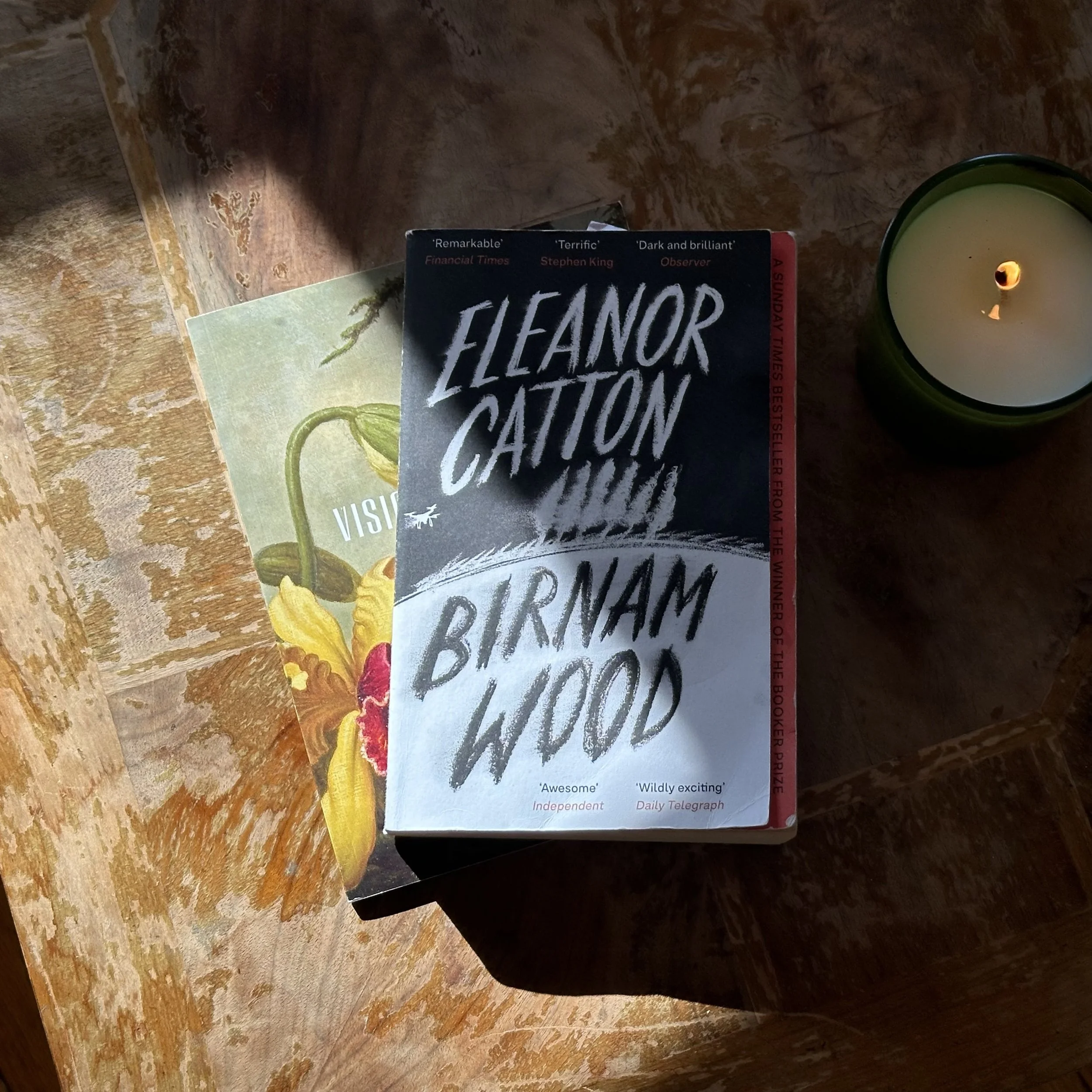
Often described as a thriller, Birnam Wood (Eleanor Catton) is a funny, acerbic inspection on how left-leaning collectives form and self-define. Birnam Wood follows the story of a “guerilla gardening collective” by the same name. Usually under financial stress, Birnam Wood’s luck shifts suddenly for the better when the opportunity arises to occupy an unused plot of land. However, once they arrive, the group finds itself in the orbit of elusive billionaire doomsteader Robert Lemoine. The book follows Birnam Wood’s development as their aims grow exponentially through the access Lemoine’s resources afford, and as tensions arise when the assistance of a billionaire starts to seem at odds with the aims of a so-called leftist organization.
Birnam Wood's handling of Bernie bros, trust-fund organizers, and morally-squishy characters is both cutting and true to life as it digs its teeth into the thorny in-group dynamics of counterculture movements.
FEBRUARY
Alex’s Pick —
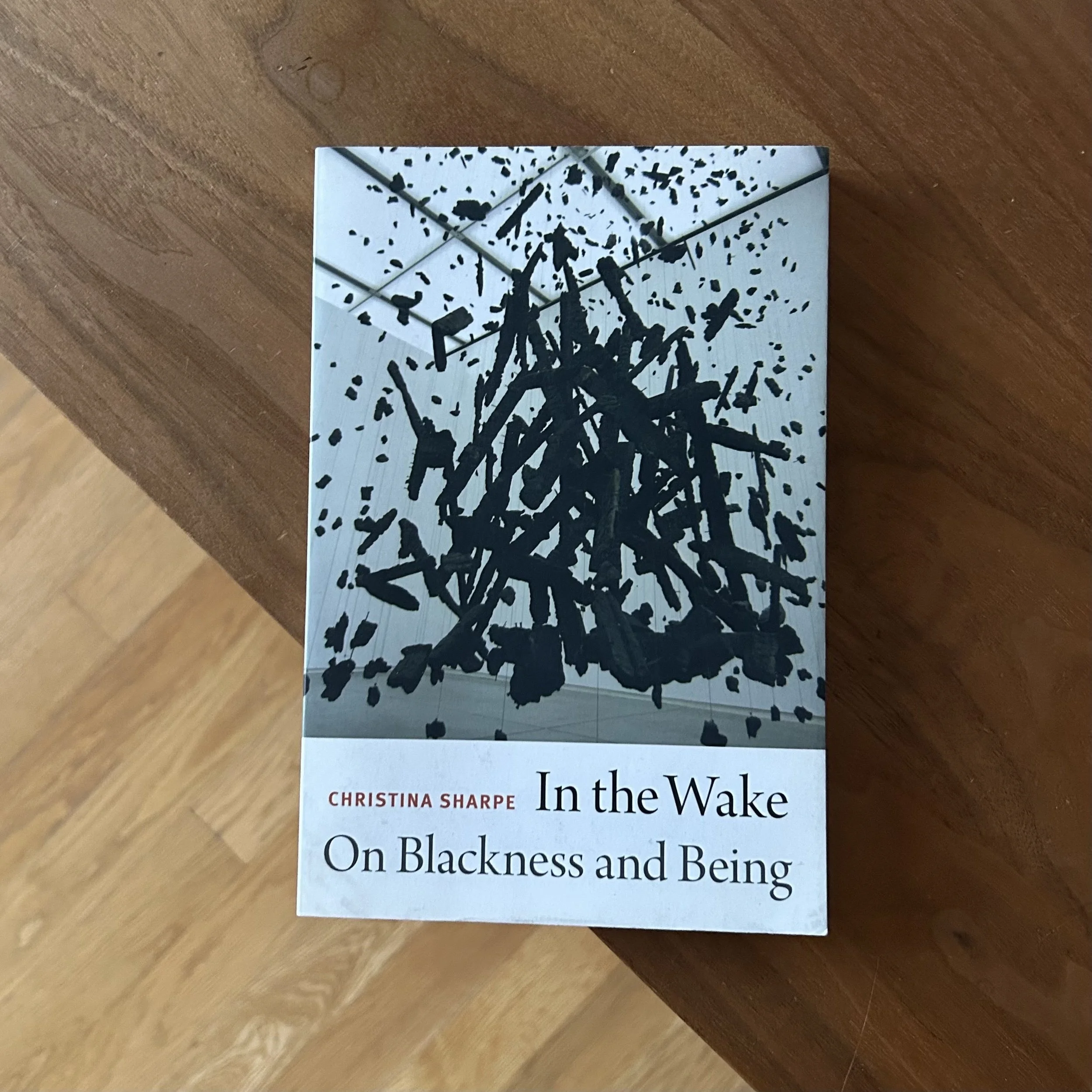
Christina Sharpe’s In the Wake examines how Black death has been normalized from the transatlantic slave trade to today. She uses metaphors from the slave ship – such as the wake, the hold, and the weather – to explore anti-Blackness’ lasting forms. The book introduces the concept of “wake work,” a form of Black care that attends to the afterlives of slavery, framing the wake as both the waters behind a slave ship, a state of consciousness, a space of mourning, and the state immediately following an event. For Sharpe, each of these meanings, while centering Black death, is a site of resistance, survival, and care.
Sharpe underscores grief’s role in Black liberation, as resistance movements like Black Lives Matter place mourning central to the fight for Black rights, safety, and freedom. Though dense, In the Wake is essential reading for understanding racial politics in the wake of American slavery.
MARCH
Greta’s Pick —
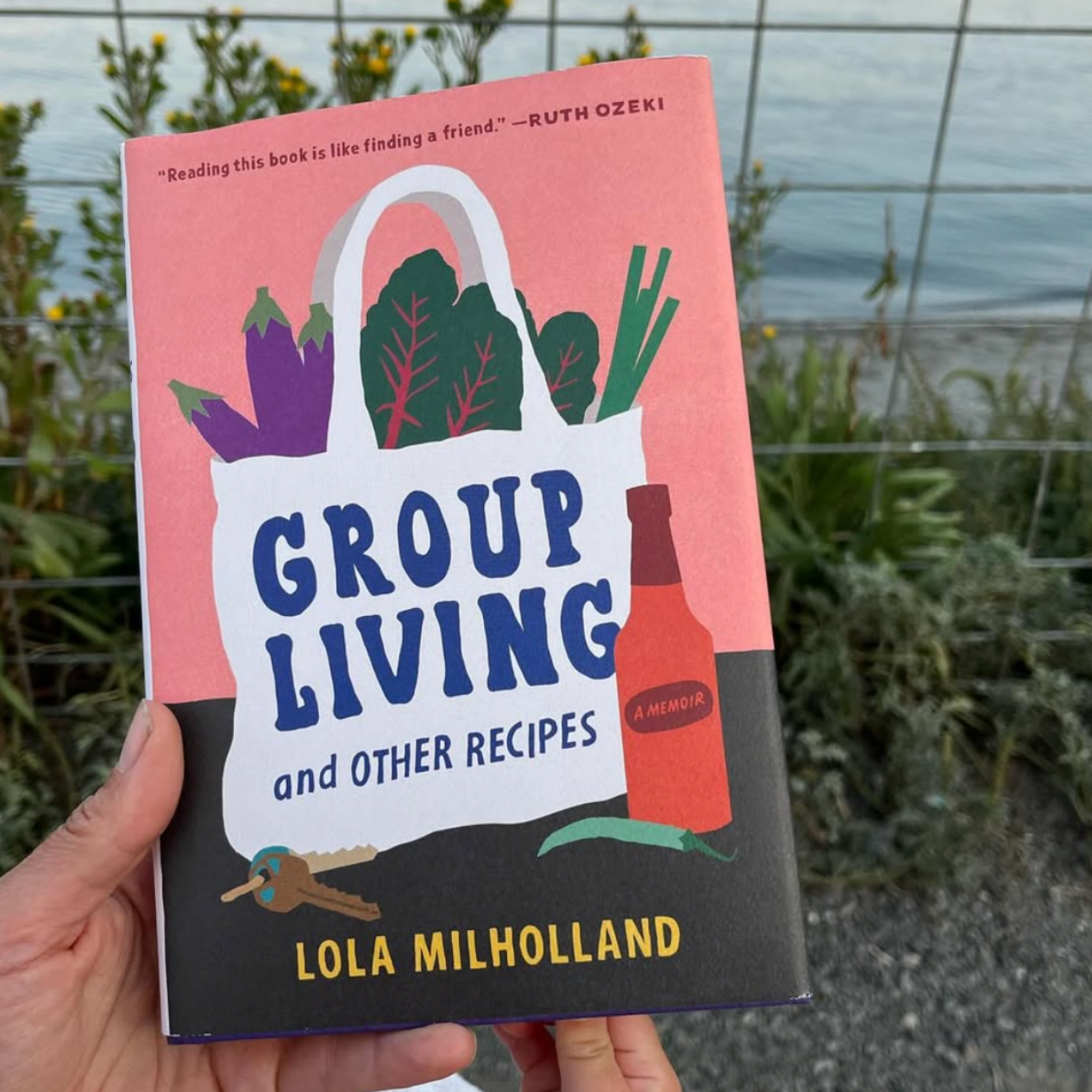
Group Living and Other Recipes is a memoir by Portland-based writer Lola Milholland, centered around her experience in communal living environments, beginning in childhood and extending to her adult life. The book uses her various experiences in communal living environments as a framework for engaging with larger questions of community, identity, culture, and interdependence. Milholland then expands upon these themes using her background in food justice to explore how community, conceptions of family, and food can give us ways to think about the climate crisis and cross-cultural communication.
As someone from the area, I found this book to be a sweet, familiar ode to the Pacific Northwest. I also appreciated how it engages meaningfully––without making declarations about––what it means to truly resist hegemonic power structures, and the struggles of trying to earnestly formulate new patterns that work better for our communities.
APRIL
Alex’s Pick —
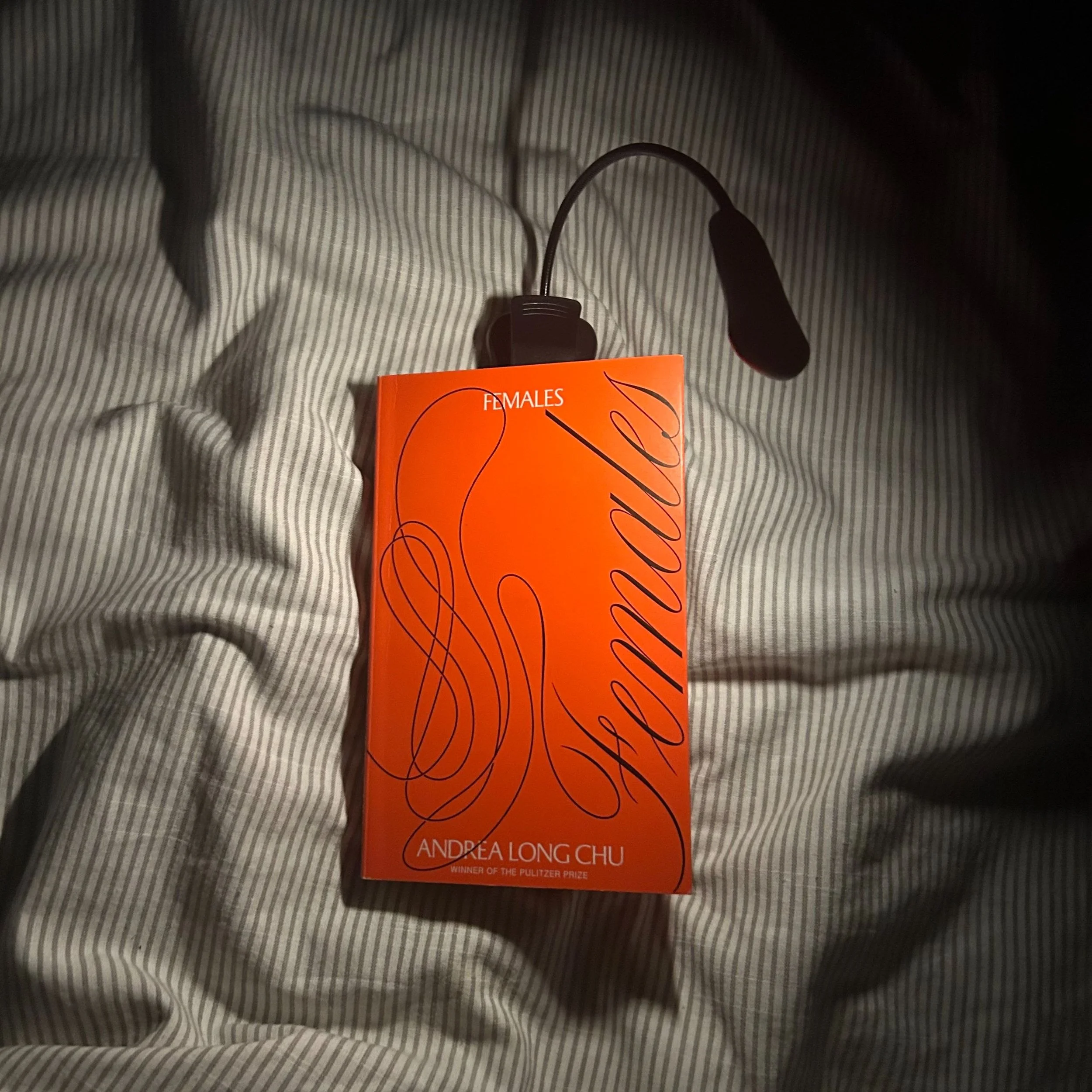
Andrea Long Chu’s Females sparked conversation when it came out in 2019. It begins with the claim that “everyone is female,” taking femaleness to be humanity’s underlying subjectivity. For Chu, being female relates less to gender or biology than being oriented toward what others desire. The book is reactionary: to Freudian psychoanalysis, to Valerie Solanas’ SCUM Manifesto, and to personal experiences of gender transgression. I didn’t find Females to demand sincere engagement – in fact, it seems to incite the opposite, provoking the reader to disagree. From a discussion of pussy envy to a bold theory of the “sissy porn to trans” pipeline, Chu’s book made me smile over and over again. I’m so glad I finally read it.
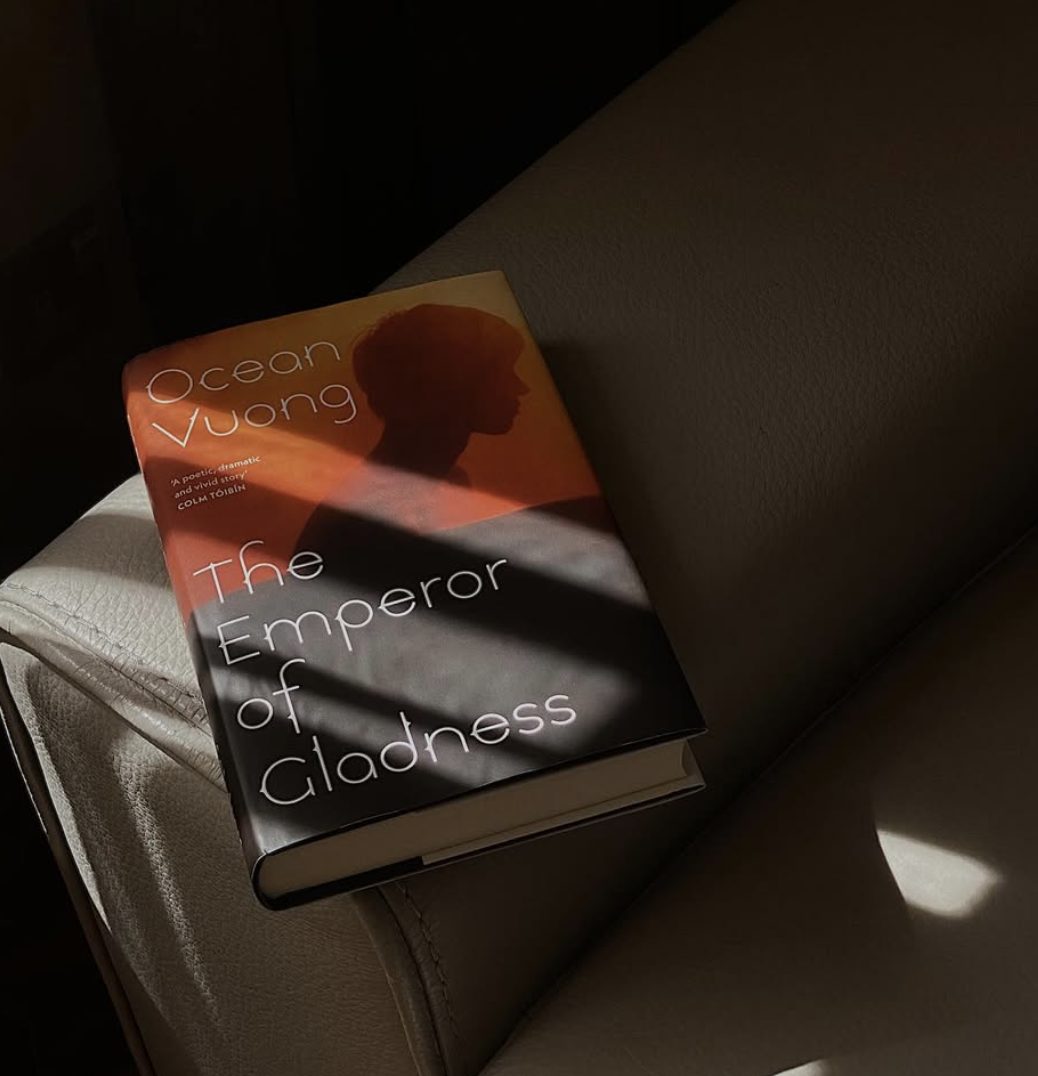
image via @littlebooksandcoffee
JULY
Leslie’s Pick —
Ocean Vuong’s The Emperor of Gladness tells the story of Hai, a young Vietnamese American drifting through life in a dying New England town, and his relationship with Grazina, an elderly Lithuanian widow who pulls him back from the edge of suicide. Between becoming her reluctant caretaker and working shifts at a fast-food chicken joint, he discovers what it means to find connection and peace amongst the bleakness and tragedy of the hand his life has been dealt.
The novel also quietly explores Hai’s queer identity alongside the shadows of generational trauma– a result of war, migration, and silence. Vuong’s prose, which echoes his previous poetic works, has the ability to change ordinary spaces and memories into places where love, tragedy, and other oxymorons combine into quiet tenderness.
OCTOBER
Christine’s Pick —
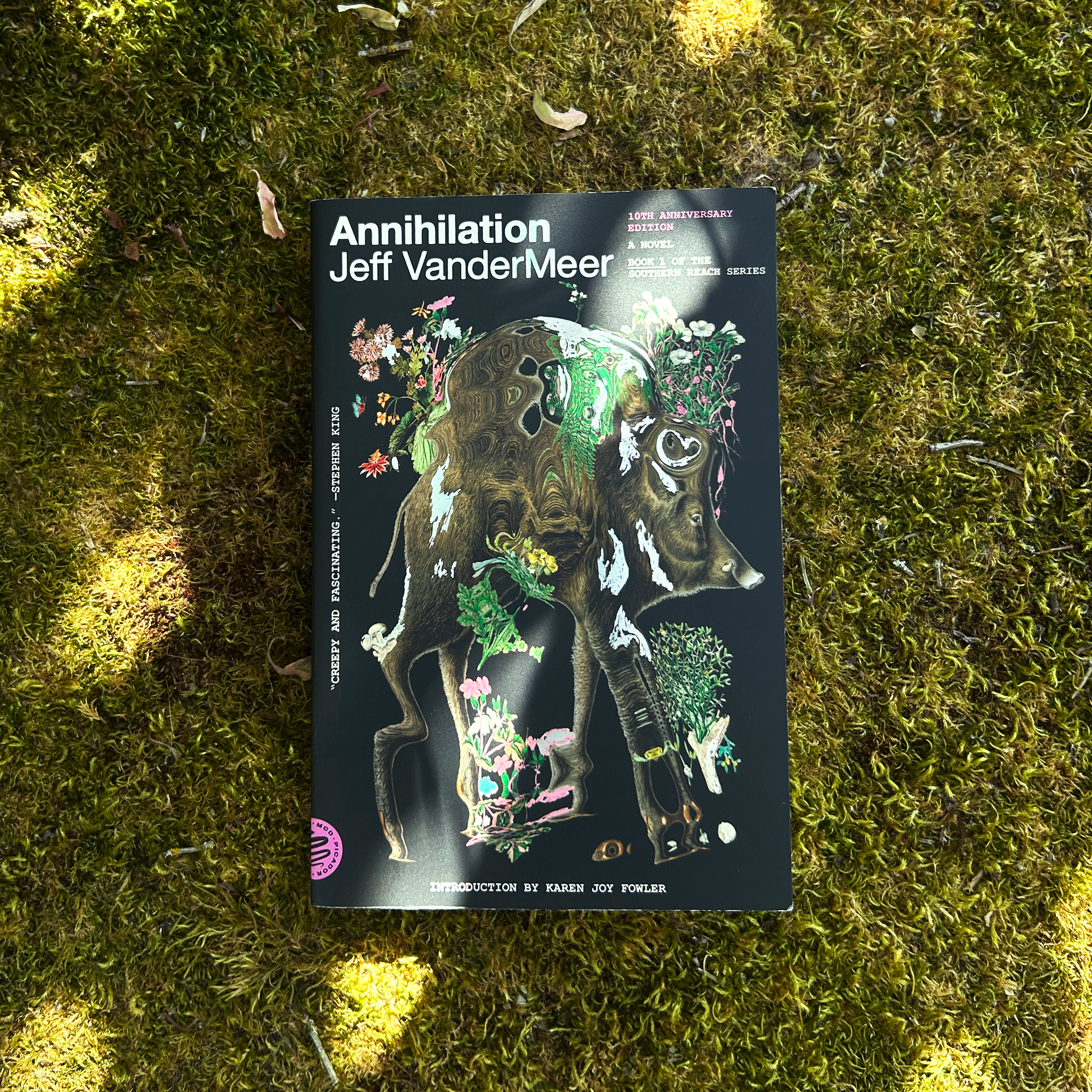
The first book in the Southern Reach quartet, [Annihilation by Jeff VanderMeer] takes us to Area X where reconnaissance teams are sent to investigate unusual occurrences. It is a psychological thriller as much as it is a journey to a place where human control over nature is flipped on its head. Think: Little Shop of Horrors meets Invasion of the Body Snatchers.
The story hints at the limitations of human consciousness, reincarnation, interconnectedness, nature’s reclamation of the Earth, and the notion that human survival may ultimately depend on our ability to be respectfully curious, adaptable, and willing to surrender…to become part of our landscape, rather than try to dominate it at all costs.
I can’t wait to pick up book two, Authority, to see where this all goes.
MAY
Colleen’s Pick —
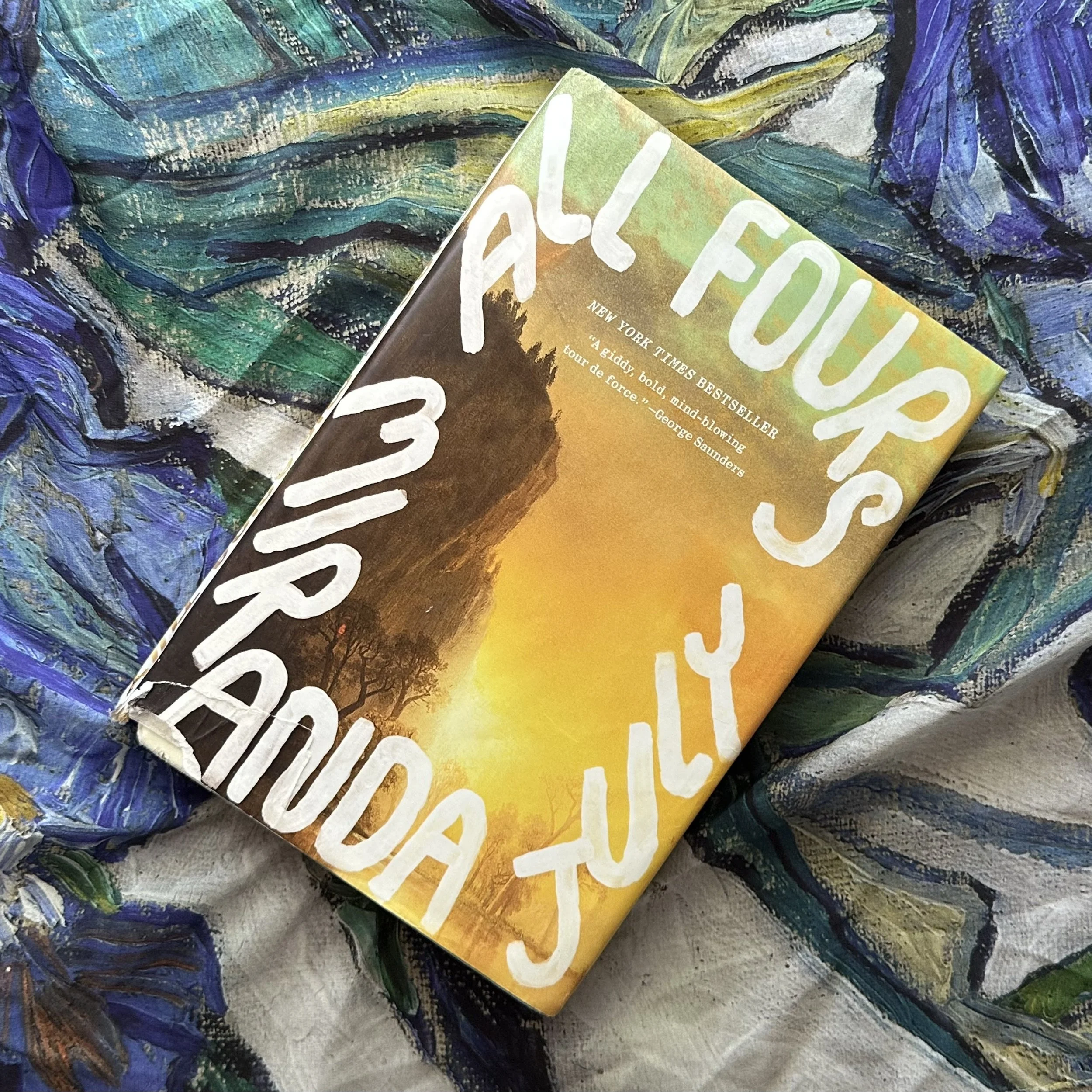
Coined “the first great perimenopause novel” by the New York Times (May 5, 2024), All Fours by Miranda July is a work of fiction about a mother, wife and artist who embarks on a cross-country road trip. After departing for New York, the unnamed narrator drives only about thirty minutes from her hometown where she spends weeks in a roadside motel exploring themes of desire, identity, and the reconciliation of past traumas. Sexual encounters, an intense interior design scenario, and a meeting with a pop diva highlight her sojourn at the motel. While the protagonist is indeed over-forty, I found the book less about perimenopause and more about the importance of a woman finding the space to evolve, change and explore as she enters a new phase of life...
Read the rest of Colleen’s review here!
AUGUST
Alex’s Pick —
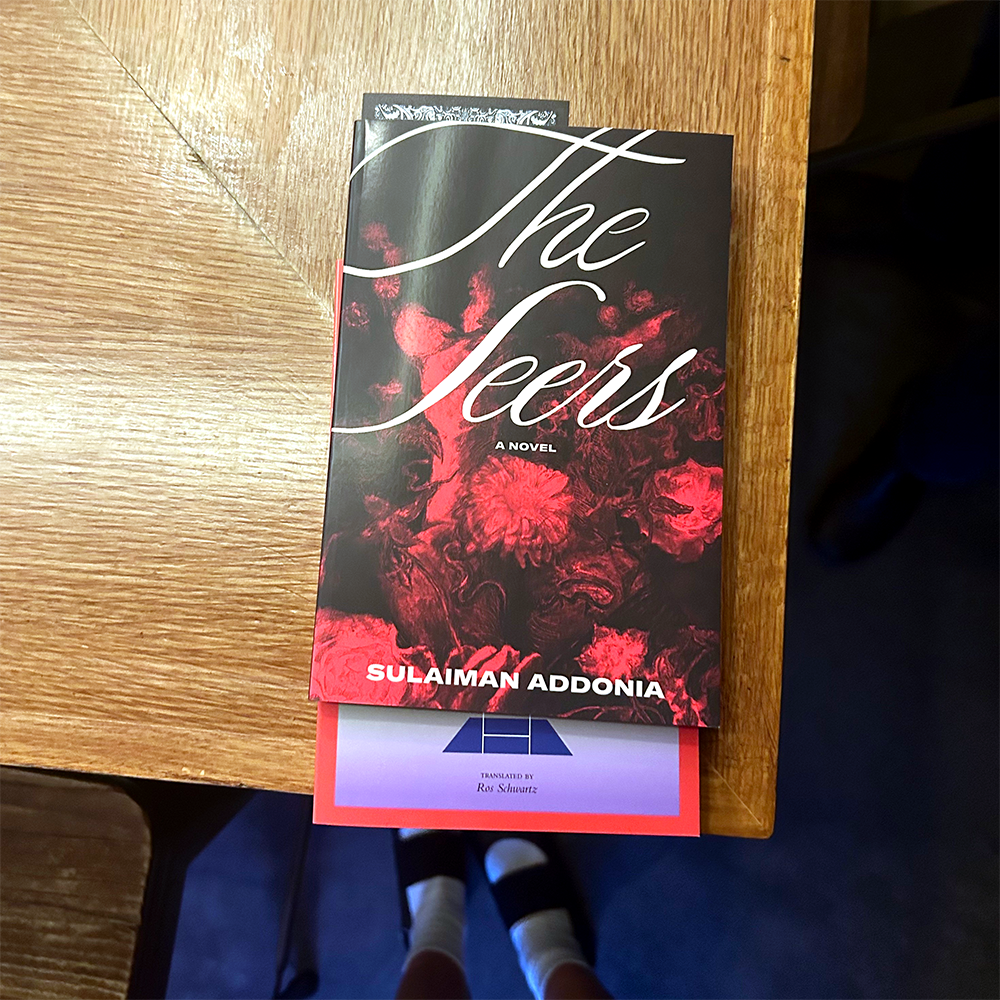
Sulaiman Addonia’s The Seers explores immigration through and as erotic acts. It follows Hannah, a refugee from Eritrea who migrates to the United Kingdom, a country complicit in her intergenerational trauma. In London, Hannah must reckon with her own story: the false version in her immigration file, the truth in her mother’s diary, and the one of her own flesh. The Seers is centrally concerned with interiority, and treats it as a physical, legal, sexual, and emotional terrain. Lush and provocative, the book features imaginary poets, sexually explicit interactions, and poignant reflections.
“Home has become something beyond a land. Home is your bellybutton.”
NOVEMBER
Alex’s Pick —
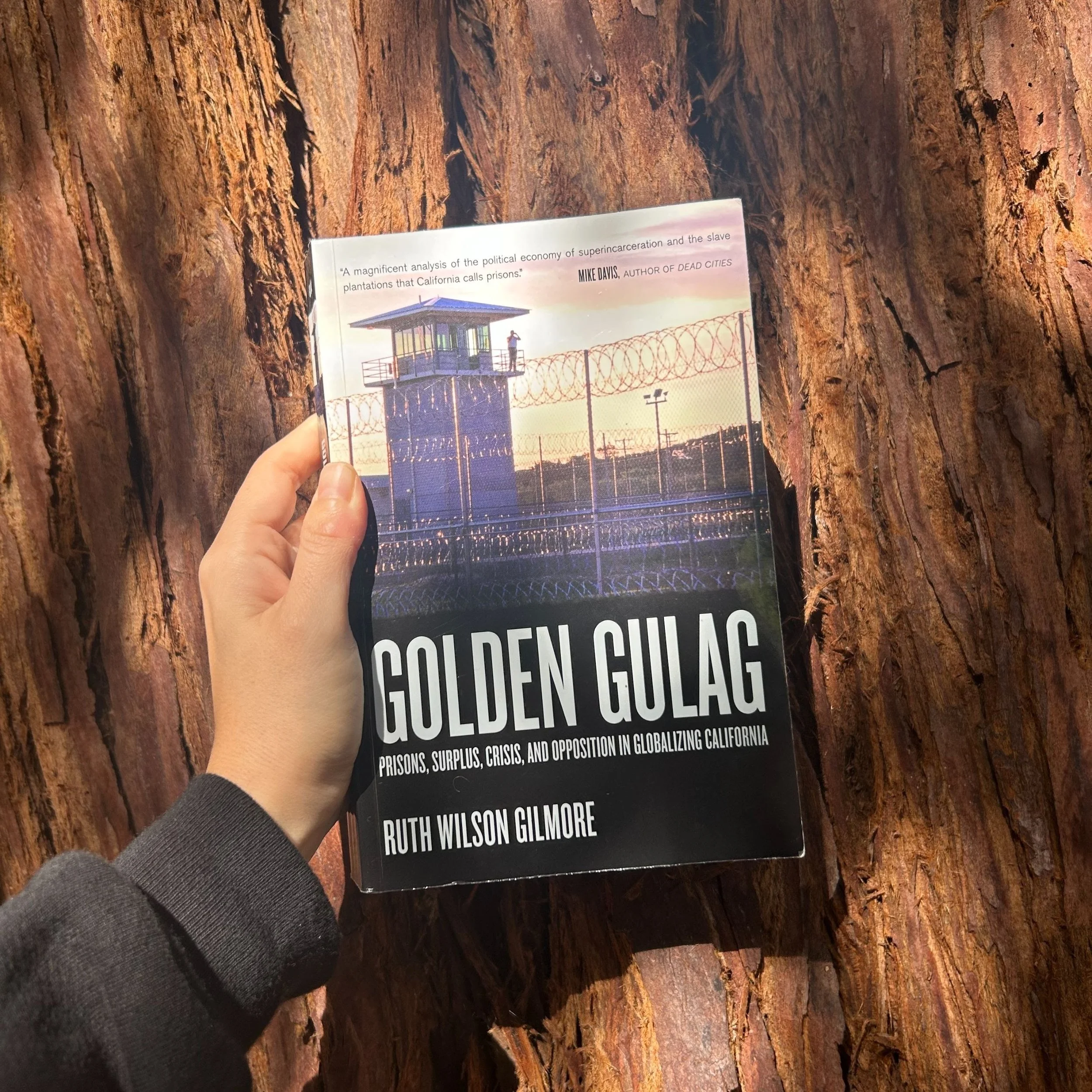
Golden Gulag (2007) is a foundational work in carceral studies by Critical Resistance cofounder Ruth Wilson Gilmore. Gilmore argues that the rise of California’s prison system and the American carceral state more broadly stemmed not from increasing crime, but from the need to manage surplus labor under racial capitalism. Her central insight – that mass incarceration responds to economic crises rather than criminal ones – has shaped prison abolitionist thought and organizing for decades. The book’s greatest contribution lies in denaturalizing the prison as a social good and revealing it instead as a mechanism of social control.
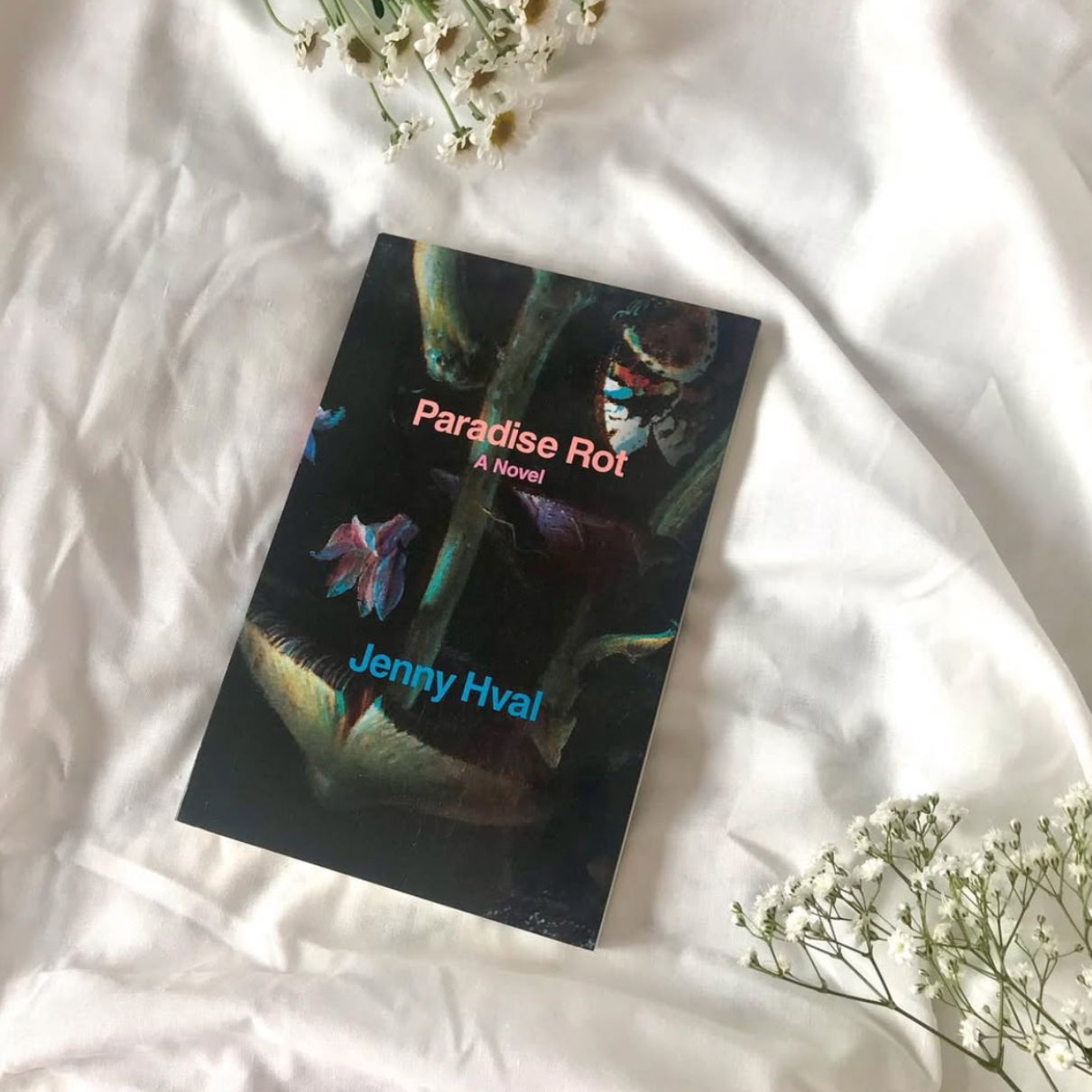
Image from @what.josie.reads
JUNE
Greta’s Pick —
Jenny Hval’s Paradise Rot follows twenty-year-old Jo on a semester abroad as she discovers that her identity and sense of self are more amorphous than she’d believed. Also living in Jo's dirty brewery-turned-apartment complex is Carrall, a woman with whom she becomes entangled, and whose mannerisms and beliefs Jo begins to take as her own.
As the mold and refuse in Jo’s apartment seem to multiply exponentially, the book’s atmospheric, dream-like tone also escalates into a feverish, psychedelic pitch. Jo’s very personality and self-identification get caught up in the book’s exploration of decomposition, fermentation, and decay: her exploration of her gender and sexuality leads to often-disgusting reminders of the permeability of the human body. Paradise Rot is a (sometimes grotesque) sapphic coming-of-age novel that positions interconnectedness as just as erotic as it is destabilizing.
SEPTEMBER
Alex’s Pick —
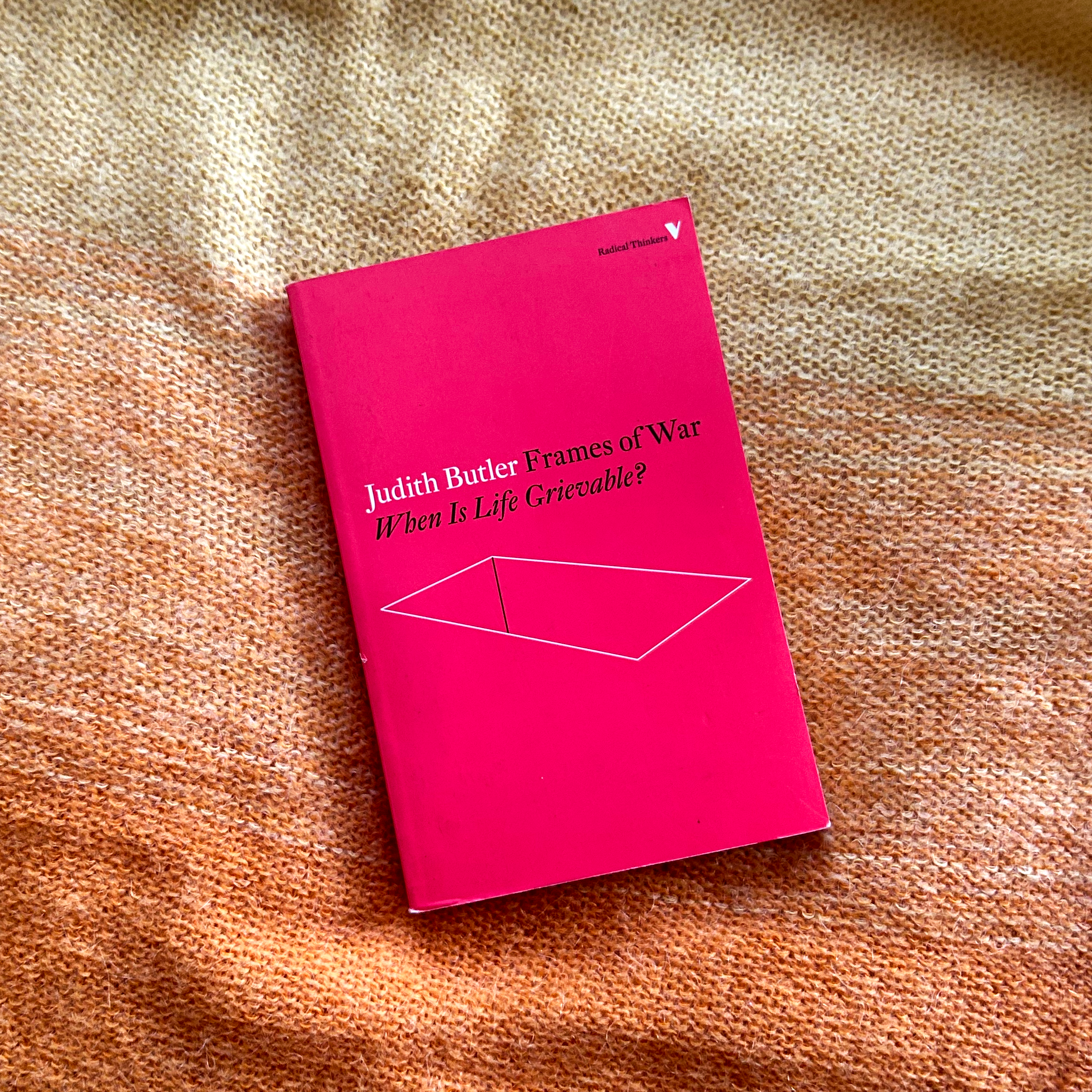
Frames of War: When is Life Grievable? is not the most iconic, nor the most beginner-friendly, Judith Butler – but it might be their most urgent. In the collection of five essays, Butler responds to loss, life, and mourning in the context of modern war-waging. The book interrogates how grievability – the means to apprehend loss – is its own operation of power, in which some lives are rendered ungrievable because they are already discursively framed as expendable. These essays are essential for understanding how sanctioned deaths – such as those unfolding in Sudan and Palestine – are not meant to be felt, and how our willingness to mourn them runs counter to the logic of war itself.
DECEMBER
Alex’s Pick —
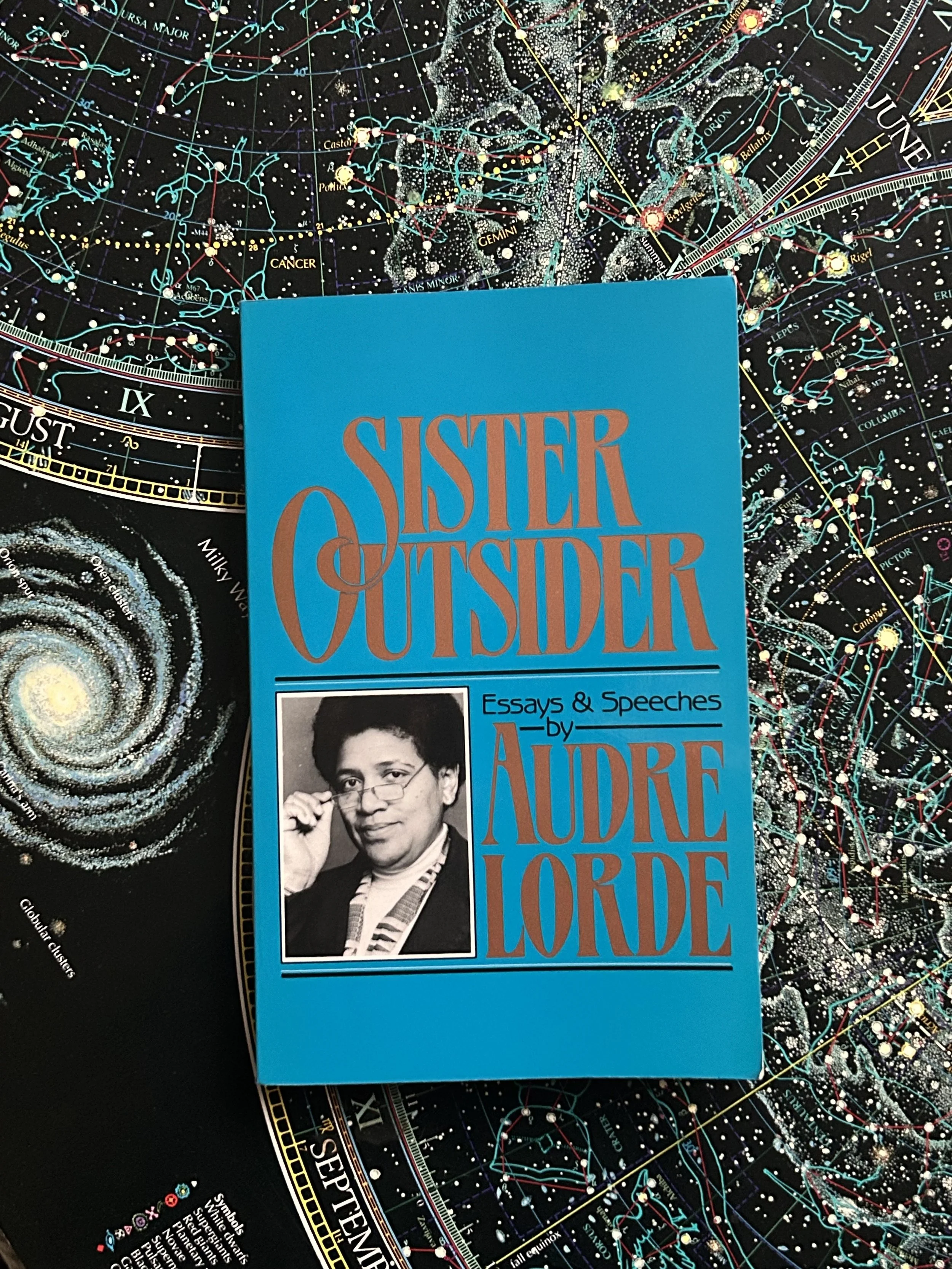
Sister Outsider is a collection of essays and speeches by Audre Lorde that has become a seminal feminist text. The collection includes works such as “Uses of the Erotic,” “The Master’s Tools Will Never Dismantle the Master’s House,” and “Poetry Is Not a Luxury.” Throughout, Lorde offers a Black, lesbian perspective on liberation politics that has influenced feminist movements and academic thought for decades. If you want to learn more about Black feminism, read Lorde for the first time, sharpen your political thinking, engage deeper in feminist history, or just read something truly excellent: start here.